
How customize a travel backpack according to scene
author: SPARKLE--HARRIS
2023-05-29

Everyone has used or is using backpacks in daily life for various purposes. In recent years, the epidemic has slowly opened up, people's interest in daily sports and leisure activities such as camping, travel and tourism activities has gradually increased, and the backpack market has experienced significant growth. The global backpack market is worth close to USD 18.3 billion in 2021. It is further estimated that the market will grow at a CAGR of 6.61% during 2023-2028, reaching approximately USD 26.88 billion by 2027.

Thedevelopment of backpacks focuses on the integration of function, appearance and fashion trends. A growing number of innovations have led to smart backpacks that include GPS, charger ports, massagers and speakers, eco-friendly materials, and improved features such as weather resistance, cooling, and anti-theft. Focus on user experience and develop backpacks suitable for various occupations and interests (such as tool backpacks, photography backpacks, etc.), which are lighter, better and more durable.
In this article from onlineclothingstudy, the manufacturing process of the backpack is briefly introduced, and the following five major contents are involved.
1. Different types of backpacks;
2. Components of backpacks;
3. Materials used in backpack manufacturing;
4. Manufacturing process of backpacks;
5. Mass production of backpacks (CMT);
Different Types of BackpacksThe backpack segment is segmented by type into student/work bags, outdoor athleisure bags, and travel bags.
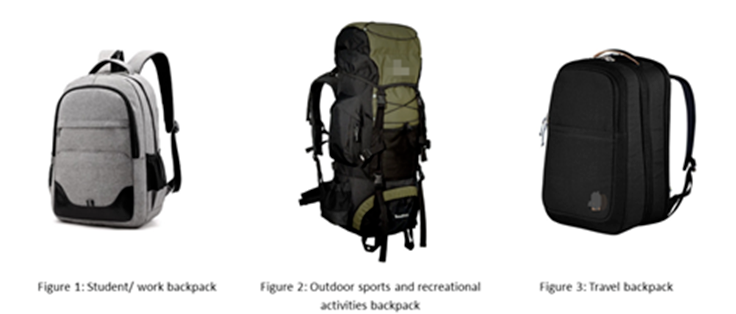
The typical characteristics of a backpack are:
1.1. enough space to carry the essentials (the volume of the backpack);
1.2. compartments and pockets for organizing items;
1.3. Waterproof;
1.4. light;
1.5. Cut and tear resistant;
1.6. Back panel with padding;
1.7. Padded shoulder straps;
1.8. Adjustable waist belt;
1.9. Mesh back panel
1.10. Additional features - anti-theft, USB charging, etc;
Components of a backpack
The structure of a backpack depends on its design, type and use. Depending on the design of the backpack, raw materials need to be procured. They need to do production planning. The basic components that make up a backpack are:
2.1. padded shoulder straps;
2.2. Shoulder strap adjusters;
2.3. Front pocket;
2.4. Side bottle pockets;
2.5. Main internal compartment;
2.6. Main compartment zipper;
2.7. Top grip/carry handle;
2.8.Ventilation mesh;
2.9.Waist pad;
2.10.Internal pocket;
2.11.Piping/trim;
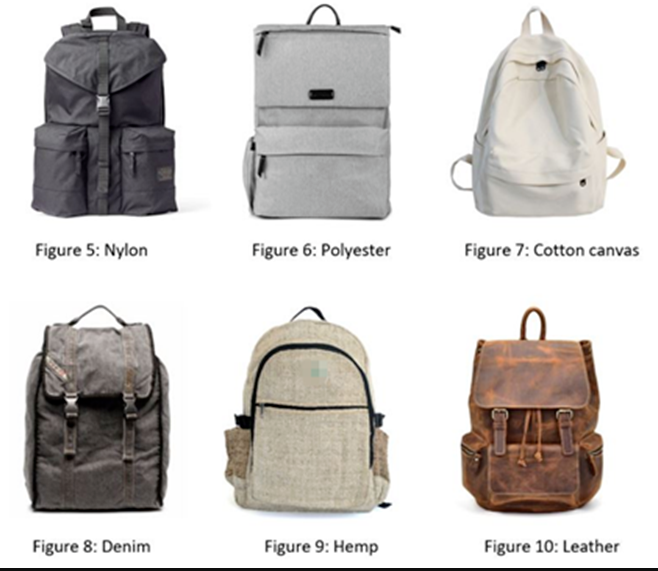
Materials used in backpack manufacturingThe materials commonly used for backpacks are nylon and polyester, with nylon dominating the global market. Nylon is often considered to be the most durable backpack material, making it suitable for outdoor use. Other materials include cotton (canvas and denim), jute, hemp, and leather. Major brands have also introduced products made from 100% recycled materials. Here are some pictures showing backpacks made from these materials.
Backpack manufacturing process
The whole process of making a backpack is very similar to making a garment. It involves material procurement, product development and sampling, time study, line setup, cut-make-trim, quality inspection and packaging. the basic steps of cut-make-trim are as follows:
1. Cutting of backpack partsAfter completing the template, draw the pattern on the computer to develop the markings. A template for a simple backpack is shown in Figure. The number of cut components for a backpack can be in the hundreds.
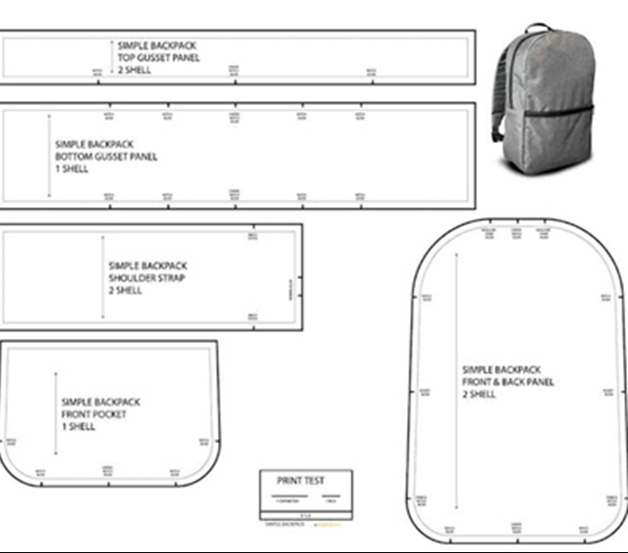
↑ Figure: Basic backpack template↑
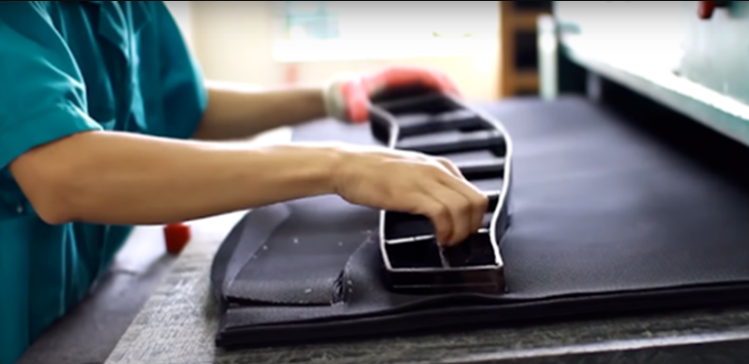
Use CNC cutting, knife cutting, die-cutting or laser cutting to cut spread fabrics. Die-cutting is more common in backpack manufacturing.
Panels containing logos/designs are sent for printing or embroidery.
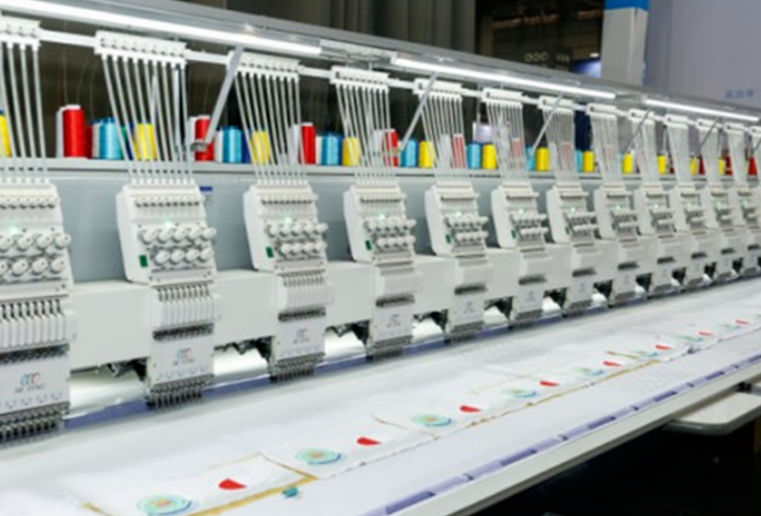
Photo: Computerized multi-needle multi-head machine for embroidery↑
In addition to the large body fabric, the team prepares the lining and other decorative materials. The cut parts are then fed into the sewing line.
2. Backpack splicing processBackpack manufacturing is done on an assembly line. A simple backpack can contain up to 30 operations in one line, while a complex design has more. These lines accommodate inter-module sections that perform additional procedures.
3. Finishing processDuring the sewing process (in-line) and afterwards (at the end of the line), the product is inspected several times according to set quality guidelines. The inspector classifies defective parts as minor, major or rejected. The final steps include cutting loose threads, removing marks or stains from the material, checking for broken stitches, and finally packaging.
Conclusion:
This article is an introduction to backpack manufacturing. You can use the above to get a comprehensive understanding of the process. If you have any questions about backpack manufacturing, we are very supportive in reaching a consensus with you.

 Gopro case market analysis
  Plant-based Leather Market Size & Trends Overview
 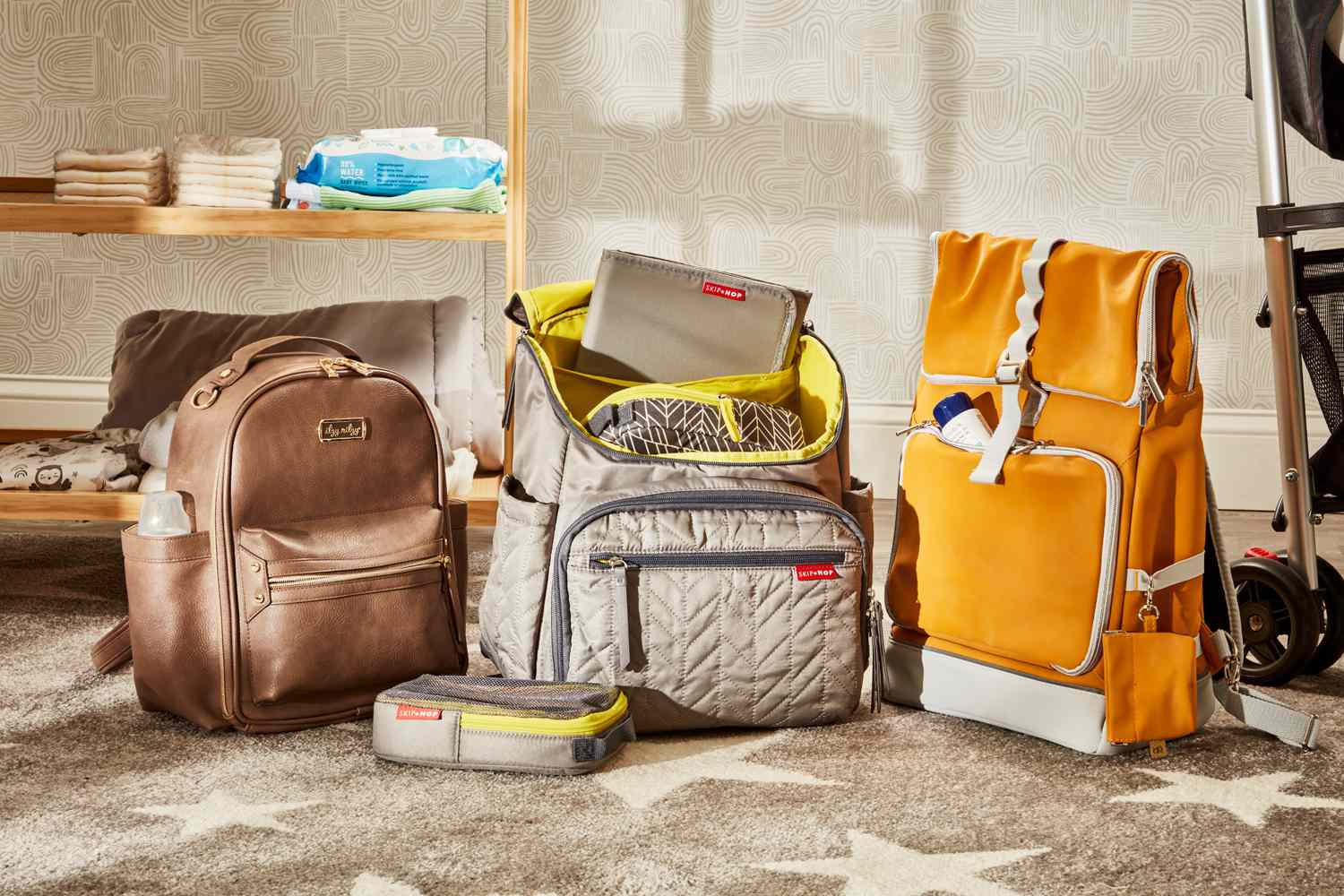 Diaper Bags Baby Products Backpacks Market Trends.
 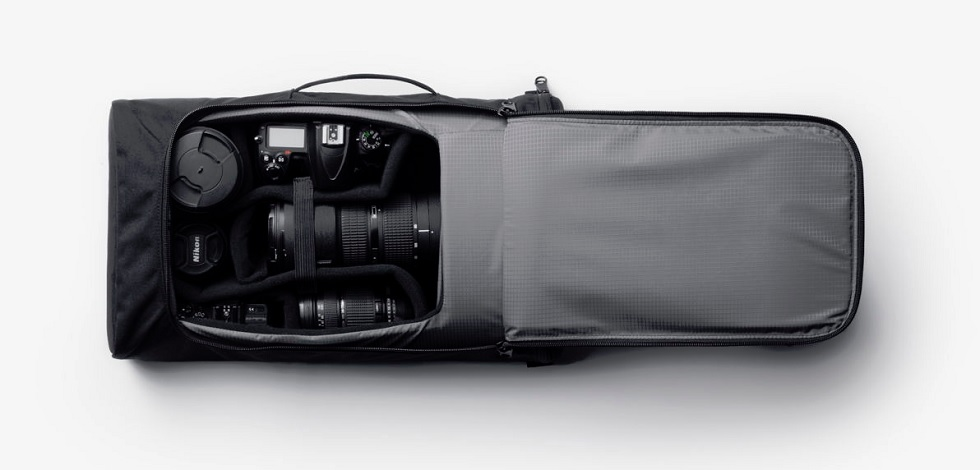 Camera Bag Market Outlook (2023 to 2033)
  Cosmetic Bag Market Size, Growth, Forecast 2023–2030
 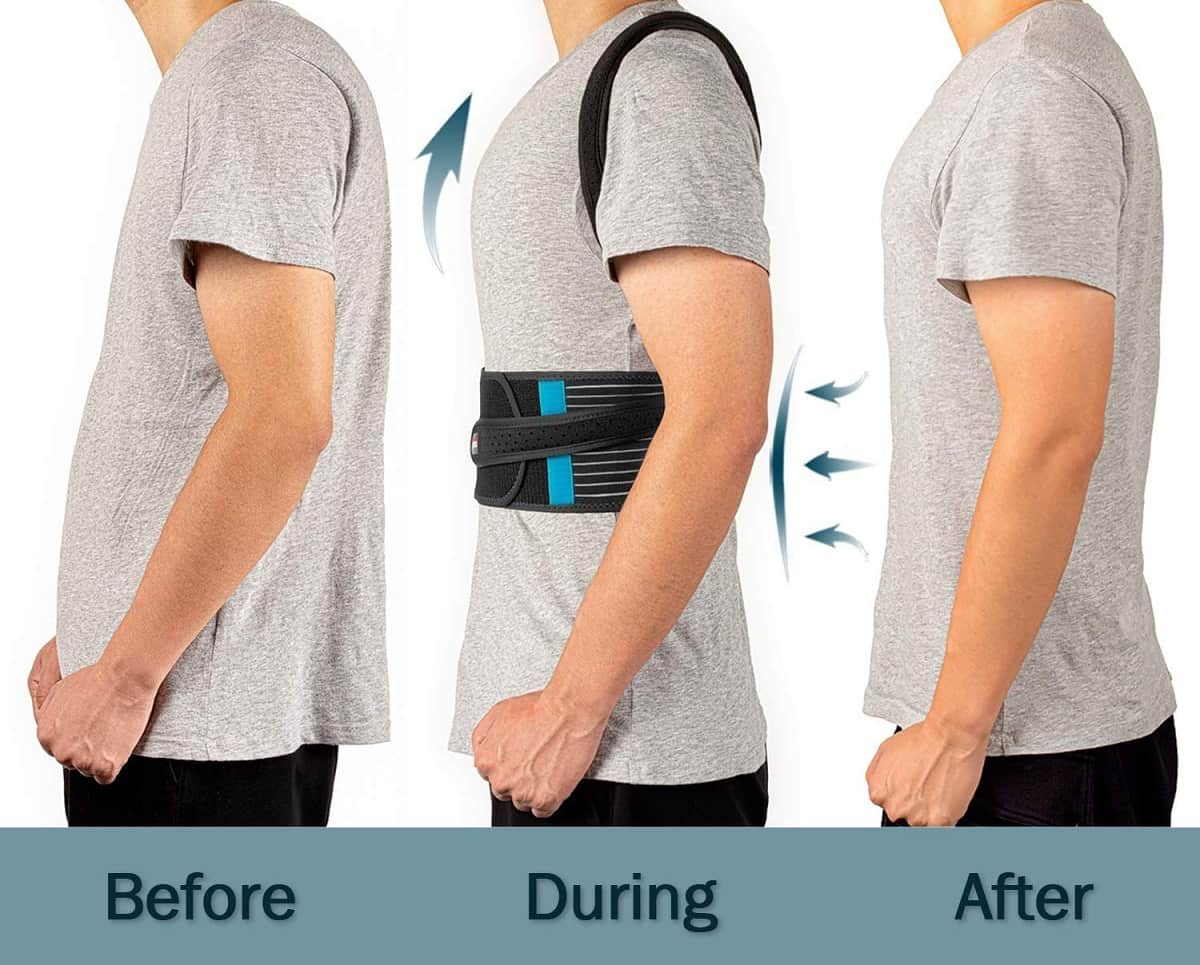 Posture Corrector Market Size & Share Analysis - Growth Trends & Forecasts (2023 - 2028)
  Revenue Analysis of Foot and Ankle Braces (2017-2021) Vs. Market Forecasts (2022-2027)
 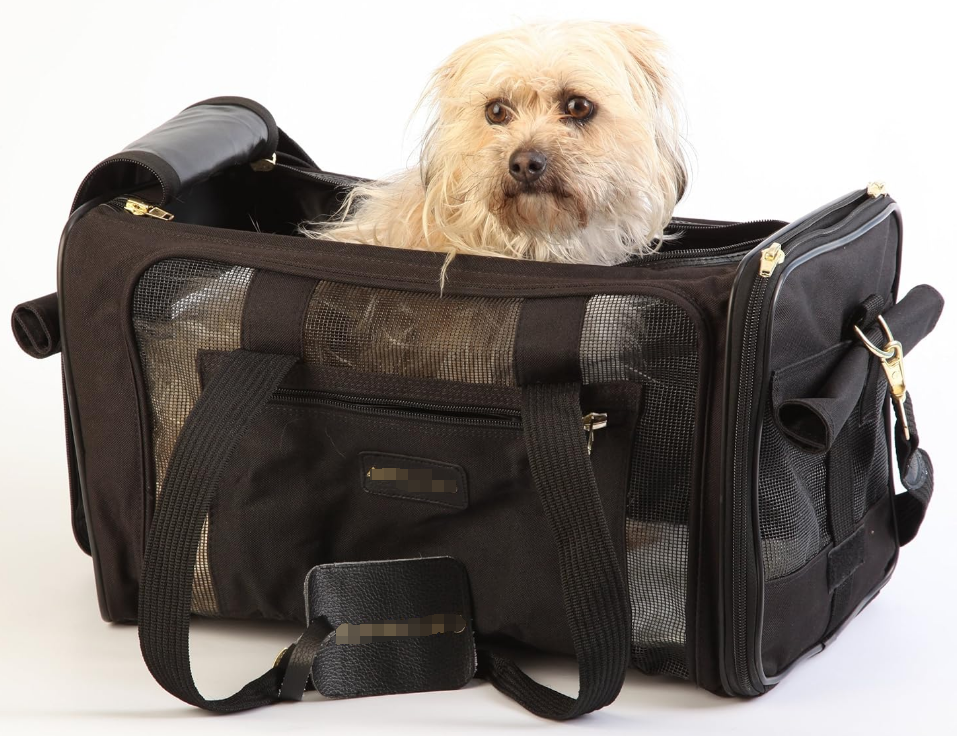 Pet Carriers Market Expected to Surge to US$ 1,294.4 Million by 2033
  Bicycle Bags and Bag-packs Market is Expected to Hit US$ 800 Million by 2033
 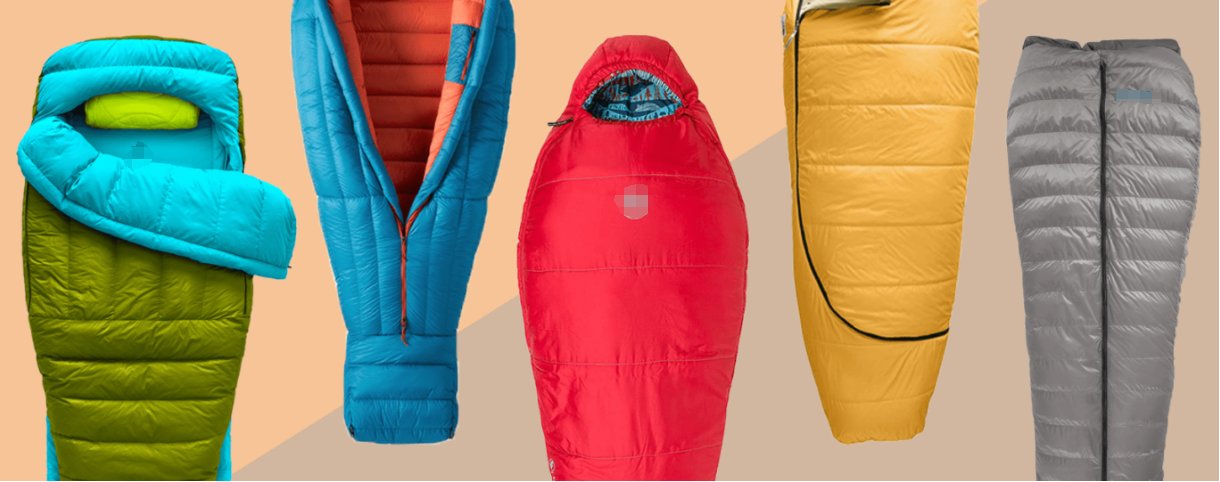 Sleeping Bags Market is Projected, with an Expected CAGR of 6.3% by 2032
 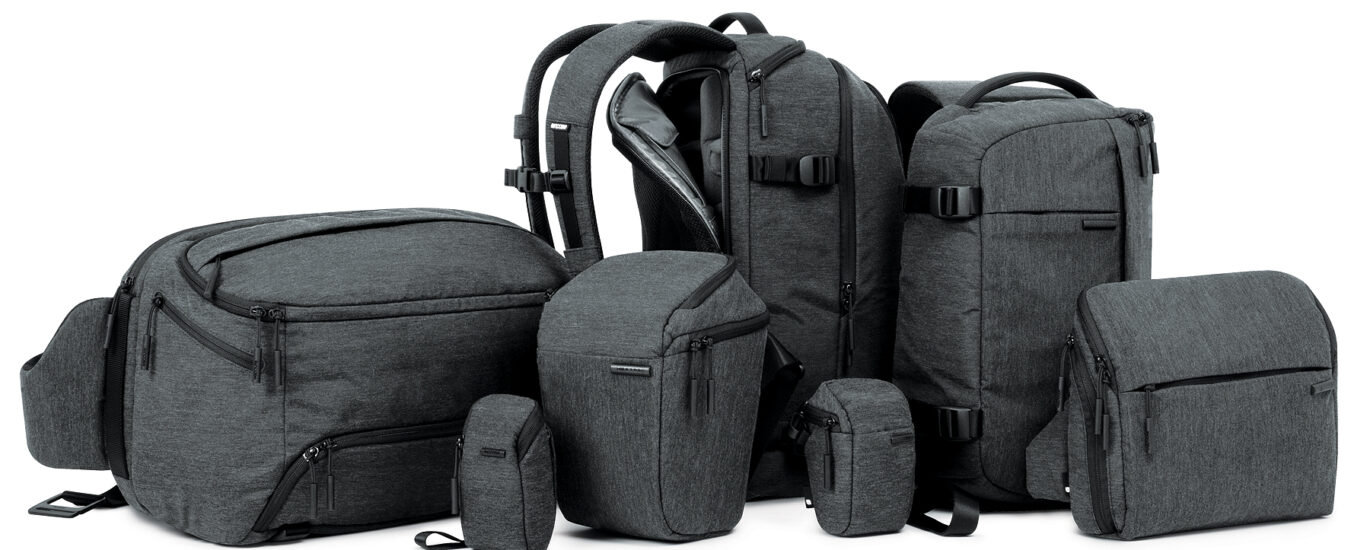 Professional Gear Bags Market is Likely to Advance at a CAGR of 4.3% During the Forecast Period 2033
 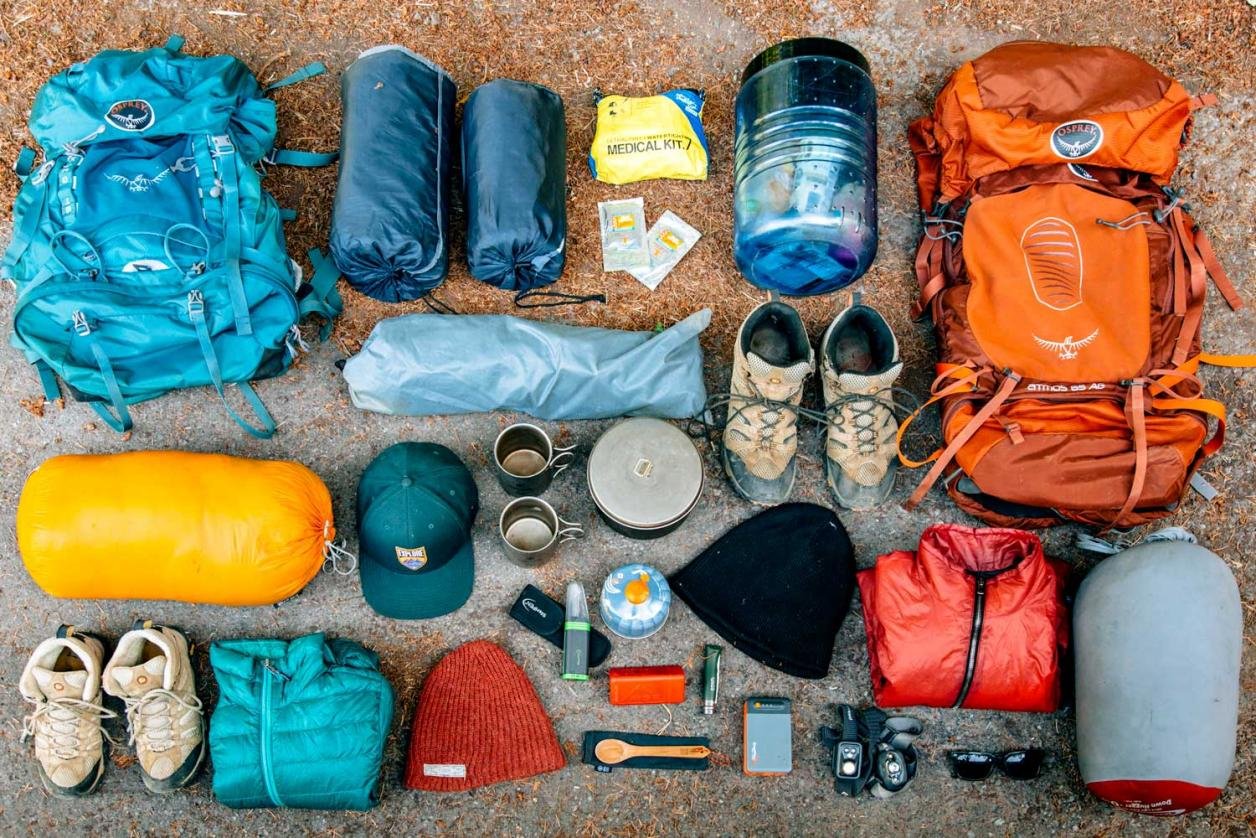 Global Backpacker Gears Market is Expected to Reach US$ 1,770.44 Mn by 2032
  Market status and outlook for the luggage industry in 2020
  Trend analysis of pet backpacks, dogs and cats also need backpacks
 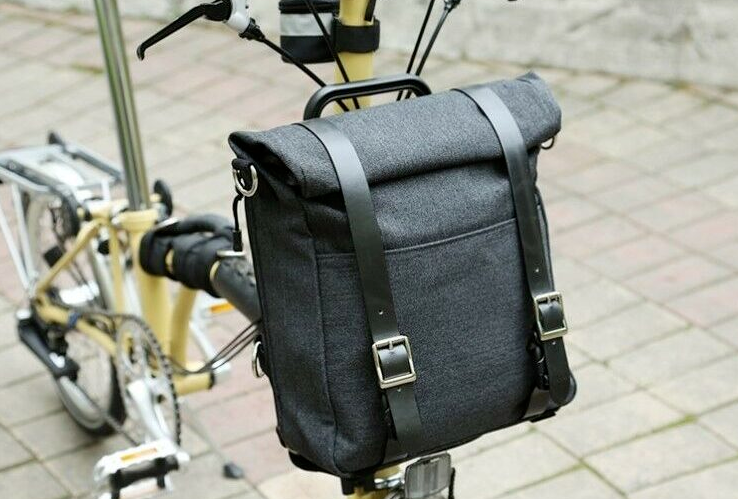 Bike bags and bag market is expected to expand at a CAGR of 5.8% by 2029,Future Market Insights
 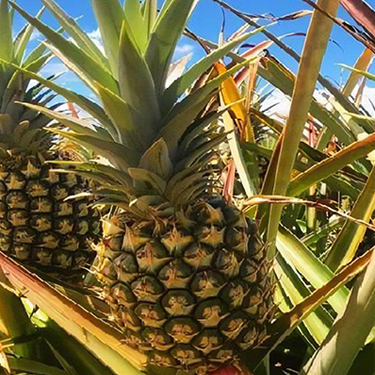 SPARKLE The fashion sector suffers a major overhaul! Why plant fiber becomes a new trend in the luggage industry?